
10/29/2026
Utah Texting and Driving Laws: Fines, Exceptions, and Consequences

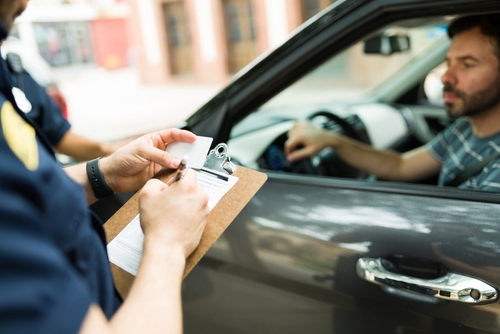
A standard Utah speeding ticket for going 1 to 10 mph over the limit is listed at $130 under the 2026 State of Utah Uniform Fine Schedule. Fines increase as your speed goes up, and tickets in construction zones, school zones, or at 100 mph or more carry higher amounts and sometimes a mandatory court appearance. The fine is also only part of the cost. Points on your driving record, insurance increases, and late fees can make a ticket far more expensive than the number on the citation.
At Jardine Law Offices, we help Utah drivers understand their options after a speeding ticket and work to reduce fines, points, and other consequences. Before you pay, it may be worth learning what paying actually means for your record. Contact Jardine Law Offices at (801) 451-9555 for a free consultation.
Utah’s Judicial Council publishes a statewide Uniform Fine Schedule so that fines for common offenses stay generally consistent from court to court. The schedule lists a suggested fine for each offense, and in many speeding cases, drivers can pay that amount without appearing in court. Judges still have discretion, though, and the amount can change based on the facts of your case.
The schedule lists the following suggested amounts for ordinary speeding violations:
| Speed Over the Limit | Suggested Scheduled Amount |
| 1–10 mph | $130 |
| 11–15 mph | $160 |
| 16–20 mph | $210 |
| 21–25 mph | $280 |
| 26–30 mph | $380 |
| 31 mph or more | $480, plus $10 for each mph above 31 |
These amounts apply to ordinary speeding. Special zones and very high speeds follow different rules, which are covered below.
The schedule’s “Suggested Fine” column includes the fine and security surcharge, including the $60 justice court security surcharge. Additional delinquency charges or a different amount ordered by the judge can change what you owe. Confirm the total with the court handling your case.
Speeding in a clearly marked highway construction or maintenance zone where workers are present carries a fine of at least double the scheduled amount, provided signs warn of the doubled fine. For example, construction zone speeding at 1 to 10 mph over is listed at $260 rather than $130.
School zone speeding is also treated more seriously. The 2026 schedule lists school zone speeding as requiring a mandatory court appearance, with a suggested amount of $260, and speeding 30 mph or more over in a school zone is listed as a class C misdemeanor with a suggested amount of $420.
Driving 100 mph or more carries enhanced fines. Utah law requires a fine of at least 150% of the applicable suggested amount in the Uniform Fine Schedule. The schedule also identifies applicable appearance requirements. Follow the court’s appearance instructions; do not assume that paying online satisfies an appearance requirement.
For an ordinary speeding ticket, the uniform schedule doesn’t automatically list a higher fine for a second offense. That doesn’t mean repeat tickets have no extra cost. Your driving history can affect sentencing and eligibility for alternative resolutions. Repeat school zone violations may carry higher statutory penalties. Additional speeding convictions can add points to your record and increase your risk of a license suspension.
Concerned about how another ticket could affect your license? Contact Jardine Law Offices at (801) 451-9555 for a free consultation.
Utah’s Driver License Division uses a point system. Speeding convictions typically add between 35 and 75 points, depending on how far over the limit you were. Points for an individual conviction are automatically removed three years after the violation. However, Utah also removes half your accumulated points after one year without a moving violation conviction and all points after two successive conviction free years.
Drivers under 21 can face suspension at 70 points within three years, and drivers 21 and older can face suspension at 200 points within three years. A few tickets close together can put your license at risk, especially for younger drivers.
Insurance companies also review driving records, and a speeding conviction may raise your premiums for several years. Over time, that increase can cost far more than the ticket itself. Commercial drivers face added concerns, since violations appear on their driving records and can affect employment.
You generally have three paths:
Paying the fine outright generally resolves the ticket as a guilty plea and can result in points on your driving record.
Contesting a ticket may be worth considering if there are problems with how your speed was measured, errors on the citation, or unclear speed limit signs. It may also make sense when the points would push you close to a suspension, when you hold a CDL, or when your insurance or job could be affected.
A plea in abeyance can offer a middle ground. You enter a plea, but the court holds it for a set period. If you meet the conditions, such as paying a fee and avoiding new violations, the case can be dismissed or reduced. For a driver with a Utah non-CDL license, a plea in abeyance does not assess points on the driving record. Out-of-state treatment may differ.
Utah’s Deferred Traffic Prosecution program offers another option for eligible drivers. Participants pay the required fine and administrative fee, complete traffic school if required, and avoid new traffic convictions for one year. If they successfully complete the program, the charge is dismissed. Eligibility depends on the driver’s history and the cited offense.
For citations eligible to be resolved by payment without a personal appearance, the schedule permits a $50 increase if the driver fails to pay or appear within 14 days, followed by an additional $75 increase after 40 days. Follow the deadline and instructions on your citation and any court notice.
For drivers licensed in participating states, failing to appear or respond to a Utah citation can also lead to a suspension request under the Nonresident Violator Compact.
Unpaid amounts may also be sent to collections. If you can’t pay right away, contact the court or an attorney instead of ignoring the ticket. Utah courts may also allow compensatory service, credited at $12 per hour, instead of payment in some cases.
Hiring an attorney may be worth considering when a ticket threatens your license, employment, or insurance costs, or when there is a factual or legal basis to challenge it. The potential benefit depends on the charge, your driving history, the available resolutions, and the cost of representation.
We review the evidence, identify possible defenses, and negotiate with prosecutors to seek reduced charges, fines, or other available relief when the circumstances support it.
At Jardine Law Offices, attorney Joseph Jardine and our team help drivers throughout Utah handle speeding tickets and other moving violations.
We also handle more serious traffic offenses, including reckless driving and other criminal traffic charges, and we’re prepared to take your case to trial if that’s the best path. No outcome can be guaranteed, but we’ll give you a clear picture of your options before you pay.
Contact Jardine Law Offices at (801) 451-9555 for a free consultation.