10/20/2026
Utah Speeding Fines: How Much Is a Speeding Ticket in Utah?

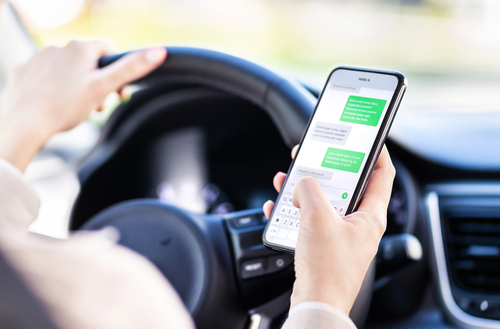
Utah’s texting and driving law prohibits drivers from manually using a phone or similar device to text, email, browse the internet, read messages, take photos or videos, or view videos while driving a moving vehicle. A first violation is generally a class C misdemeanor with a maximum fine of $100, but the charge can become a class B misdemeanor if it causes serious bodily injury or follows a recent prior conviction. Commercial drivers face stricter federal rules that can put their CDL at risk.
At Jardine Law Offices, we help Utah drivers respond to traffic citations and criminal traffic charges, including texting and driving violations. A ticket that seems minor can still affect your record, insurance, and livelihood. Contact Jardine Law Offices at (801) 451-9555 for a free consultation.
Utah’s texting and driving law is found in Utah Code § 41-6a-1716. It applies to wireless communication devices, which include cell phones, text messaging devices, tablets, laptops, GPS receivers, and devices that display videos or images. Two-way radios, such as CB radios, are not included.
Under the statute, you may not manually use one of these devices while operating a moving motor vehicle on a Utah highway to:
Section 41-6a-1716 applies to someone “operating a moving motor vehicle.” That wording raises a question about its application when a vehicle is fully stopped at a red light, but it should not be treated as blanket permission to text in traffic. Federal commercial driver texting rules apply even when a commercial motor vehicle is temporarily stopped at a traffic light with its motor running. The safest approach is to wait until you are safely parked.
Yes. The statute lists several situations where using a device while driving isn’t prohibited.
Utah’s statute allows voice communication, viewing navigation devices or apps, and operating hands-free, voice-operated, or vehicle-integrated technology. These exceptions do not authorize every interaction with a phone; manually dialing a number or entering a destination can still implicate the statute’s restrictions.
The law also allows device use during a medical emergency, when reporting a safety hazard or requesting help with one, and when reporting criminal activity or requesting help related to it. Law enforcement officers and emergency service personnel acting within the scope of their jobs are also exempt. If you believe one of these exceptions applies to your citation, it’s worth discussing with an attorney.
The offense classification depends on whether the violation caused serious bodily injury to another person and whether you have a qualifying prior conviction.
| Situation | Classification | Key Penalty Details |
| Standard violation | Class C misdemeanor | Fine capped at $100 by statute |
| Violation proximately causing serious bodily injury to another person | Class B misdemeanor | Higher potential fines and possible jail time |
| Qualifying prior conviction under § 41-6a-1716 within three years | Class B misdemeanor | Higher potential fines and possible jail time |
The $100 cap applies to the fine for a standard class C violation. Check with the court for the total amount due, including any applicable additional charges.
The prior conviction enhancement applies when a previous conviction under this section falls within three years of either the current conviction or the commission of the current offense.
A texting and driving violation can carry jail time because it is a misdemeanor. Utah’s general sentencing law allows up to 90 days in jail for a class C misdemeanor and up to six months for a class B misdemeanor. Those are maximum possible sentences, not automatic penalties.
The texting and driving statute itself tops out at a class B misdemeanor. However, if distracted driving causes a serious crash, prosecutors may consider other, more serious charges based on the facts, which could include felony offenses when someone is killed. The specific charge depends on the circumstances and the evidence.
Have questions about the charge listed on your citation? Contact Jardine Law Offices at (801) 451-9555 for a free consultation.
Commercial drivers face both Utah law and federal regulations, and the federal rules are stricter. Federal regulations at 49 C.F.R. §§ 392.80 and 392.82 prohibit commercial motor vehicle drivers from texting and from using a hand-held mobile phone while driving.
Unlike Utah’s general law, these federal rules specifically apply while a commercial vehicle is temporarily stationary because of traffic, a traffic control device, or other momentary delays.
| Activity | Non-Commercial Drivers | Commercial Drivers |
| Texting while moving | Prohibited under Utah law | Prohibited under Utah and federal law |
| Texting at a red light | Statute specifies a moving vehicle; see discussion above | Prohibited under federal rules |
| Holding the phone for a call | Voice calls allowed | Hand-held use generally prohibited |
| License consequences | Possible points and record impact | Possible CDL disqualification |
Under 49 C.F.R. § 383.51, two qualifying serious traffic convictions arising from separate incidents while operating a commercial motor vehicle within three years trigger a 60 day disqualification. Three or more qualifying convictions arising from separate incidents within three years trigger a 120 day disqualification. Qualifying offenses include state or local texting and hand-held phone violations committed while driving a commercial motor vehicle, and different qualifying serious traffic offenses can count together.
Drivers and employers may also face federal civil penalties. Beyond the legal consequences, a conviction can affect a driver’s safety record and employment, since many carriers closely review violations.
You should consider speaking with an attorney before paying your ticket. Paying a citation outright can result in a conviction reported to the Driver License Division; a court-approved alternative disposition may work differently. Legal advice is especially important if you hold a CDL, if the charge is a class B misdemeanor, if you have a prior conviction within three years, or if the citation involved a crash or injury.
When reviewing your citation, check the date, time, location, and the specific statute listed. Consider whether you were actually moving, whether an exception applied, and whether the officer could clearly see what you were doing with the device. Write down what happened while it’s fresh, and save any phone records or dashcam footage that may help show how you were using your device.
At Jardine Law Offices, we help drivers throughout Utah protect their records, licenses, and livelihoods. We review the evidence against you, including the officer’s report and any video, identify possible defenses, and negotiate with prosecutors to seek a reduced or dismissed charge when the facts support it. If your case goes to trial, we’re prepared to defend you in court.
Our practice handles everything from traffic violations to serious criminal charges. We explain your options and develop a defense based on the evidence and circumstances of your case.
Contact Jardine Law Offices at (801) 451-9555 for a free consultation.