
05/30/2026
Utah Statute of Limitations for Personal Injury Claims Explained

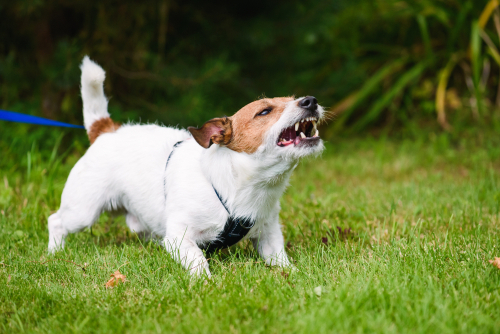
A dog bite can leave more than a visible wound. Medical treatment, infection concerns, scarring, missed work, and the emotional effects of an attack may all affect an injury claim. Still, there is no reliable “average” settlement or preset payout for a particular dog bite level.
The commonly used dog bite levels describe the physical severity of an incident, but they do not determine settlement value by themselves. For example, a Level 2 injury to a child’s face may raise different long-term concerns than a Level 3 injury to an adult’s arm that heals without lasting effects. The potential value of a Utah dog bite claim depends on the injuries, available evidence, liability issues, insurance coverage, and the real impact the incident has had on the injured person’s life.
If you or your child was injured by a dog, Jardine Law Offices can review the circumstances of the attack, explain your options, and discuss whether you may have a claim for compensation. Call (801) 451-9555 to request a free consultation.
Dog bite levels generally refer to the Dunbar Dog Bite Scale, a six-level system designed to classify the severity of bites based on the nature of the dog’s contact and the resulting wound. The scale ranges from aggressive behavior without tooth-to-skin contact to a fatal attack. This article focuses on Levels 1 through 5, which are the classifications most often discussed in nonfatal personal injury claims.
Under the scale:
A bite classification can help organize medical evidence and explain the seriousness of the incident to an insurer, opposing attorney, or jury. The level may provide context about whether there were puncture wounds, crushing injuries, tearing, repeated bites, or a likely need for more extensive treatment.
For example, a Level 4 or Level 5 injury may be more likely to involve emergency treatment, stitches, infection monitoring, reconstructive care, physical therapy, scarring, and psychological trauma. Those issues can be important when evaluating both current and future damages.
However, the bite level should be supported by evidence, not simply assumed from a photograph or a victim’s initial description. Medical records, wound measurements, treatment notes, expert opinions when appropriate, and clear photographs may all help establish the nature of the injury.
A Level 1 incident involves obnoxious, fearful, aggressive, or out-of-control behavior without tooth-to-skin contact. Without a physical injury or other measurable loss, a Level 1 event may not support a personal injury claim.
A Level 1 incident may still lead to a claim if the dog’s behavior causes another injury. For example, someone who falls while trying to escape a charging dog could suffer a broken wrist, concussion, knee injury, or other harm without being bitten. Medical records, photographs of the scene, witness information, surveillance footage, and an incident report may help document a fall-related claim.
A Level 2 incident involves tooth-to-skin contact without puncture wounds. It may leave superficial marks, bruising, shallow abrasions, or minor bleeding caused by the teeth scraping or making contact with the skin.
A Level 2 dog bite settlement may be modest when the injury resolves quickly and does not require substantial medical treatment. But a “minor” bite should not be dismissed without appropriate medical attention. Even injuries that appear superficial should be evaluated by a medical professional when appropriate, particularly if there is broken skin, pain, swelling, or concern about infection.
For a Level 2 claim, useful evidence may include:
Photos should be taken over several days, not only immediately after the incident. Bruising, swelling, and discoloration can develop after the initial injury and may be harder to document later.
A Level 3 bite involves one to four punctures from a single bite, with no puncture deeper than half the length of the dog’s canine teeth. The injury may also include bruising or lacerations in one direction, such as when the victim pulls away or someone removes the dog.
A Level 3 dog bite settlement amount can vary substantially. A person may need wound care, antibiotics, stitches, imaging, follow-up appointments, or scar treatment. A bite to a highly visible or delicate area can also create more serious long-term concerns than a comparable bite elsewhere.
Factors that may increase the potential damages in a Level 3 claim include:
Because puncture wounds may involve damage not visible on the surface, prompt medical evaluation can be important, especially when a wound is deep, painful, bleeding, or located on the face or hand.
A Level 4 bite involves one to four punctures from a single bite, with at least one puncture extending deeper than half the length of the dog’s canine teeth. Deep bruising, tissue trauma, and lacerations in more than one direction may also be present when the dog held on or shook its head.
These injuries often require more than simple wound cleaning. Depending on the location and severity, a Level 4 injury may involve emergency treatment, wound cleaning, stitches, infection monitoring, surgery, specialist consultations, rehabilitation, or future scar treatment.
Deep puncture wounds can create greater damages when they cause scarring, impaired function, prolonged treatment, or future medical needs. Important questions can include:
Comprehensive medical documentation and serial photographs can be especially important in these cases.
A Level 5 bite is a multiple-bite incident involving at least two Level 4 bites, or a multiple-attack incident with at least one Level 4 bite during each attack. This classification describes repeated and severe biting behavior rather than a single deep puncture.
Level 5 injuries may involve extensive physical trauma and can create a greater likelihood of hospitalization, surgery, substantial scarring, permanent impairment, psychological trauma, and future medical needs.
Potential damages may include:
A child who develops an ongoing fear of dogs or needs multiple scar-revision procedures may have damages that extend well beyond the initial emergency visit.
Serious dog bite claims should be investigated promptly because wounds heal, video may be overwritten, witnesses can become difficult to locate, and the dog may be relocated. An investigation may include preserving medical and photographic evidence, identifying potential insurance coverage, requesting policy information, and evaluating disputes about how the incident occurred or who may be responsible.
The bite level helps describe the injury, but evaluating a potential settlement requires looking at the complete claim. The following factors often carry substantial weight.
More severe injuries can result in greater damages, particularly when they cause permanent scarring, disfigurement, nerve damage, chronic pain, loss of function, or future medical needs. A scar is not merely cosmetic when it affects self-confidence, employment opportunities, mobility, or daily comfort.
The location of a dog bite can significantly affect settlement value. Injuries to the face, ears, eyes, neck, hands, fingers, joints, and genitals can raise concerns about visible scarring, function, nerve damage, and the need for specialized treatment.
For instance, a bite to the hand may interfere with gripping, typing, lifting, driving, or performing job duties. A bite to the face can create visible scarring and may require evaluation by a specialist for visible scarring or reconstructive needs.
Children are frequently injured in dog attacks, and an injury to a child may have unique long-term implications. A scar may change as a child grows, and the emotional effects of an attack can affect sleep, school, social activities, and willingness to be around animals.
Adults may also experience significant daily life effects, including lost work time, interrupted caregiving responsibilities, inability to exercise, and distress about visible scars. These consequences should be documented, not assumed.
Medical expenses are a major part of many dog bite claims, but they are not the only losses. The claim may also include lost income, future treatment costs, transportation expenses, medication, assistive devices, and other reasonably related financial losses.
Keeping records from the beginning helps establish the connection between the dog attack and the expenses that followed.
Under Utah law, a person who owns or keeps a dog may be liable for an injury caused by the dog even if the dog was not previously known to be vicious or mischievous. However, statutory exceptions can apply, including limited circumstances involving secured private property, certain criminal trespass situations, and qualifying law enforcement dog incidents.
Utah’s comparative fault law may also affect recoverable damages when the facts support an allegation that the injured person contributed to the incident. The facts should be reviewed carefully before drawing conclusions about liability or claim value.
Even a strong claim can be affected by insurance coverage. Depending on the facts, a dog bite may be covered by a homeowners’, renters’, umbrella, landlord, or other liability policy. Policies may contain exclusions, coverage limits, or terms that require careful review.
A lawyer can investigate potential coverage sources, communicate with insurers, and assess whether an offer accounts for the documented losses and future needs.
They can, but not automatically. More severe bite levels often involve more serious injuries and greater losses, which may support a larger claim. A Level 4 or Level 5 injury may be associated with surgery, permanent scarring, future medical treatment, or substantial emotional harm that a lower-level incident does not involve.
Still, severity alone does not control the result. Consider two hypothetical claims:
Although the first injury may have a higher bite classification, the second could involve more substantial long-term damages because of the location, age of the victim, permanent appearance-related impact, and anticipated future treatment.
The most accurate way to evaluate a claim is to examine the complete medical, financial, and legal picture, not just the bite level.
Taking practical steps after a dog attack can protect both your health and your potential claim.
Medical records should accurately describe how the incident occurred, where the dog bit you, the treatment received, and any ongoing symptoms. If you notice a new symptom, worsening pain, fever, drainage, numbness, limited movement, or signs of infection, seek medical attention promptly.
A lawyer can use the dog bite level as one part of a broader evidence-based claim. The classification may help explain the objective nature of the wound, distinguish a superficial tooth mark from a deep puncture injury, and demonstrate why certain medical care or future treatment was necessary.
Just as importantly, an attorney can look beyond the label. A thorough review may involve:
For additional information about pursuing this type of claim, visit our Salt Lake City dog bite injury lawyer page or explore our broader personal injury practice.
A dog bite level can help describe the severity of an attack, but it cannot predict the value of your case. The location of the bite, lasting scars, medical treatment, future care, lost income, emotional trauma, liability facts, and available insurance coverage all matter.
If you or your child was bitten by a dog in Salt Lake City, Farmington, or elsewhere in Utah, Jardine Law Offices can review the circumstances of the incident and help you understand your options. Contact Jardine Law Offices at (801) 451-9555 to request a free consultation.